
#1
Inspections & Appraisals
Important Tips to Keep in Mind During the Process.
The Process
Initial Agreement and Deposit
A purchase agreement is a legally binding arrangement between a buyer and the property seller. A few tips to help keep the process moving smoothly:
- Document everything in writing. This includes verbal agreements, counteroffers, and addendums. We can help draft these documents and provide copies to all parties involved.
- Stay on top of the timeline. Both you and the seller will be working within a set schedule to complete each stage of the closing process.
The Closing Agent
Once both parties have agreed to the contract and signed the necessary documents, a title company or attorney will step in as the escrow (or closing) agent, and your deposit will be submitted. The escrow agent acts as a neutral third party, holding and distributing all funds related to the transaction until closing. They’ll also research the property’s title history to confirm it’s free of liens or encumbrances by closing day, and ensure any new encumbrances are properly recorded. Before escrow can close and the purchase can be finalized, every contingency outlined in the purchase agreement must be satisfied.
How to Hold Title
There are several ways to hold title, or ownership, of a property, and each comes with different implications for ownership transfer, financing, collateralization, and taxes. We recommend discussing your options with an attorney or tax advisor to determine which method makes the most sense for your situation, and we’re happy to connect you with trusted professionals in the area.
As part of the purchase agreement's contingencies, you'll schedule a licensed inspector to evaluate the property within an agreed-upon timeframe. Inspectors assess the property's condition and flag any issues. You may also want additional specialized inspectors, for the roof or plumbing, for example. If you're purchasing a commercial property, an environmental audit or soil test may be required by your lender. If an inspection uncovers issues not addressed in the original agreement, you can request a renegotiation of terms (often the price). Once you're satisfied with the results and the terms of the agreement, the inspection contingency is removed.
Appraisals and Lending
Stay in close contact with your lender throughout the process so you’re aware of any documents needed to keep your loan on track. If your purchase is contingent on financing, the lender will require a home appraisal from a licensed third-party appraiser, who will confirm that the property’s value supports the loan amount based on factors like building costs, square footage, and income potential. Check in with your lender roughly two weeks before closing to confirm your loan is on schedule for approval.
Association Approval
Some properties require approval from a homeowners’ or community association before the sale can move forward. If that applies to your property, be sure to request all relevant rules, regulations, and required documents from the seller. Your purchase agreement will specify a timeframe for submitting paperwork or completing any necessary appointments for association approval. Once approved, your closing agent will request the original approval letter so it can be recorded with the deed in the county records at closing.
Property Insurance
Standard property insurance covers damage from events like fire, theft, and certain weather conditions such as wind or hail. While most states don’t legally require homeowners to carry insurance, most mortgage lenders do. Depending on how you intend to use the property, you’ll need either homeowner’s insurance (if you plan to live there) or landlord insurance (if you’re purchasing it as a rental investment).
When you are ready to get started, call us at 757.384.9223 or complete this short form and one of our agents will be in touch.
Get In Touch
Tips For Buying

Don’t Max Out Your Budget
Just because you’re approved for a certain loan amount doesn’t mean you should spend it all on the purchase price. Leave room in your budget for closing costs, taxes, and any repairs or updates the home may need.

Get To Know The Area
Make sure the neighborhood actually fits your life, proximity to schools, commute times, and access to shopping and everyday conveniences all matter.

Don’t Skip The Home Inspection
A home inspection is worth every penny. It can surface problems you’d never catch on your own, giving you peace of mind and the information you need to make a confident decision.

Get Pre-Approved
Being pre-approved by a lender shows sellers you’re a serious, ready buyer, not just browsing the market.

Make a List of Deal Breakers
Know the difference between what you can live with, what you can’t live without, and what can simply be fixed with a remodel. If you need four bedrooms, don’t buy a two-bedroom home that requires a costly addition to get there.

Look At The Age Of Appliances And Major Systems
Some of the priciest components of a home, appliances, HVAC, water heater, septic or well systems, and the roof, are worth a close look. Pay attention to their age and service history, and don't be afraid to ask the seller to include a home warranty.

Check For HOA Requirements
Most neighborhoods have an HOA governing what you can and can't do on your property. Make sure you understand the rules and the associated fees (usually billed annually) before you buy.
One Partner For All Your Real Estate Needs


What Price Range Can I Afford?
Resources For Virginia Beach Home Buyers
The path to homeownership starts with understanding what you can actually afford. One of the biggest factors is your down payment, or whether you need one at all. Many buyers assume a 20 percent down payment is required, but thanks to various government-sponsored loan programs, some buyers can purchase a home with as little as 3.5 percent down. Veterans of the U.S. military may also qualify for loan programs requiring no down payment at all.
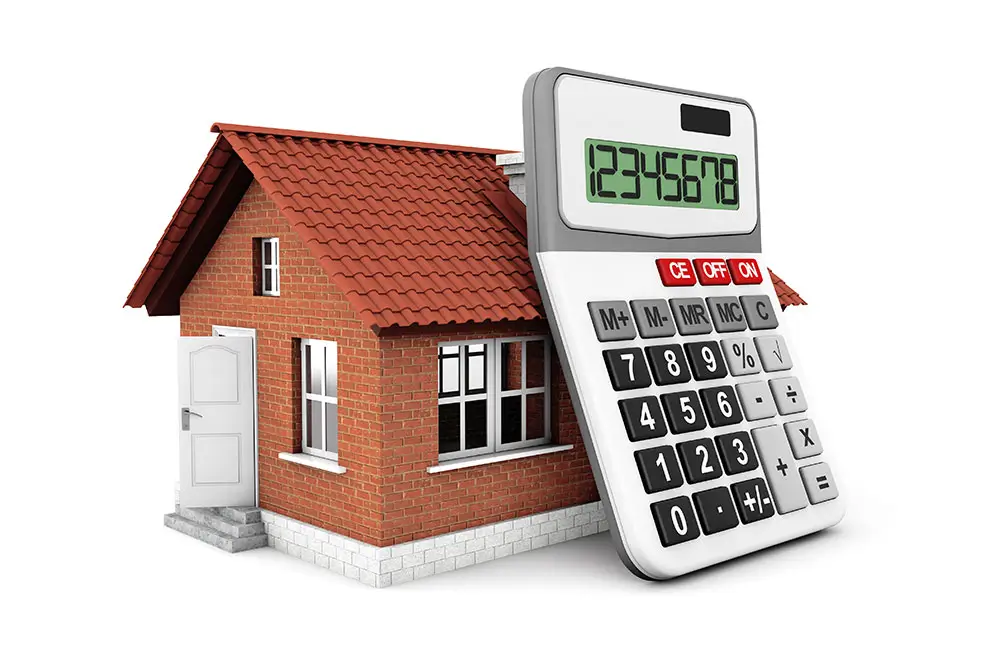
Working with a knowledgeable mortgage loan officer is key to understanding which lending options are available to you and staying current on the latest programs. Feel free to browse our vetted list of preferred lenders below, or, if you’d like a quick estimate, try our free mortgage calculator.
Mako Real Estate
Areas We Serve
- Virginia Beach
- Chesapeake
- Suffolk
- Norfolk
- Portsmouth
- Newport News
- Hampton
- Hampton Roads
- Isle of Wight County